Understanding the Basics of Garden Planters
Garden planters are essential tools for any gardening enthusiast, allowing for creativity, organization, and effective growth management. They provide a controlled environment for plants, and with various styles and materials available, they can enhance both indoor and outdoor spaces. When exploring options, garden planters offer comprehensive insights into the different choices available, from decorative features to functional designs.
What Are Garden Planters?
Garden planters are containers used for growing plants, ranging from flowers and herbs to vegetables and shrubs. They can be made from different materials including ceramic, wood, plastic, and even metal, each offering unique benefits. The primary purpose of garden planters is to provide soil and a controlled environment for plants to thrive, making them a staple for both novice and seasoned gardeners.
Types of Garden Planters and Their Uses
- Raised Beds: These are elevated garden structures that are perfect for growing larger plants and for those who prefer less bending over while gardening.
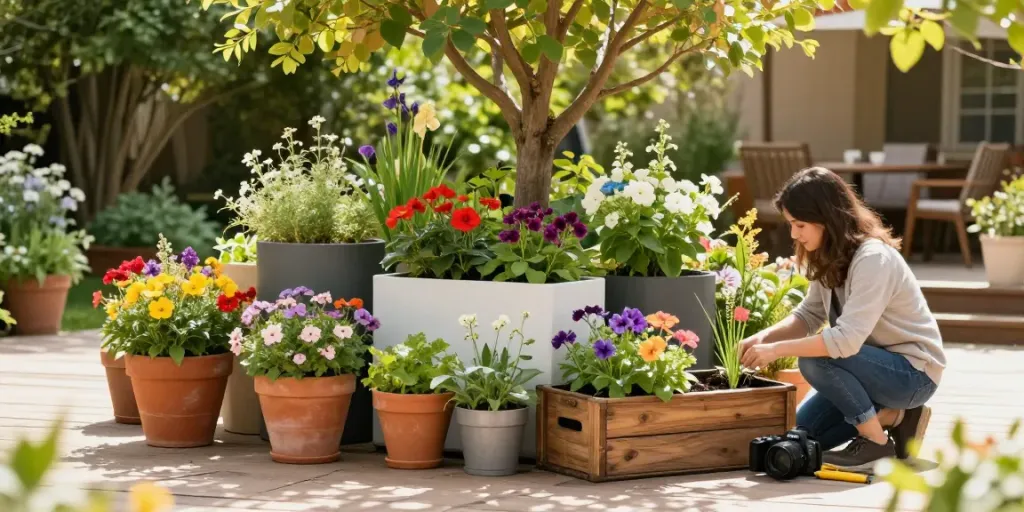
- Containers: Ideal for patios or balconies, containers come in various shapes and sizes, suitable for both indoor and outdoor use.
- Hanging Planters: Great for saving space, these are hung from ceilings or hooks and can accommodate trailing plants.
- Vertical Planters: These planters are designed to maximize space by growing plants upwards, making them suitable for smaller areas.
- Window Boxes: Perfect for adding greenery to the exterior of your home, window boxes can be placed on windowsills or railings.
Choosing the Right Materials for Durability
The material of your garden planter affects not only its durability but also its weight and aesthetic appeal. Common materials include:
- Wood: Offers a natural look but may require treatment to prevent rot. Cedar and redwood are excellent choices for their natural resistance to decay.
- Ceramic: Provides a classic appearance but can be heavy and may crack in cold weather.
- Plastic: Lightweight and often UV-resistant, plastic planters come in various styles, but may not have the same visual appeal as natural materials.
- Metal: Durable and modern, metal planters can heat up quickly in the sun, affecting root health.
Designing Your Outdoor Space with Garden Planters
Incorporating garden planters into your landscaping can transform your outdoor space, providing structure and visual interest. The right design can enhance your home’s aesthetic while serving practical gardening needs.
Incorporating Planters into Landscaping
Garden planters can serve as focal points within your landscaping scheme. When strategically placed, they can lead the eye to specific areas of your garden or home. Utilize larger planters as statement pieces at entrances or patios, while smaller ones can line walkways or create natural borders.
Color Theory in Planting Designs
Understanding color theory can significantly impact how your garden feels. For instance, warm colors like reds and yellows draw attention, making them perfect for primary focal points. Conversely, cool colors such as blues and greens can create a calming atmosphere. Mixing these colors in your planters can provide contrast and interest throughout your garden.
Creating Layers and Depth with Planters
Utilizing planters of varying heights can create a sense of depth in your garden design. Layering planters allows for visual variety and helps to highlight different plant types, ensuring that all features of your garden are on display. Grouping planters in clusters can also create a more cohesive look.
Caring for Your Garden Planters
Proper care of your garden planters is essential for healthy plant growth. This includes managing water, soil health, and pest control to ensure your plants thrive.
Watering Techniques for Optimal Growth
Effective watering techniques depend on the types of plants and the planter's material. Generally, it’s best to water deeply but less frequently, encouraging root growth. Consider using self-watering planters that provide consistent moisture levels, reducing the stress of daily watering.
Maintaining Soil Health and Fertility
The health of your soil determines the success of your garden. Regularly amend your soil with organic compost to provide essential nutrients. Rotating crops in your planters can also help maintain soil fertility and prevent the buildup of pests and diseases.
Common Pests and How to Manage Them
Many garden planters can attract pests such as aphids, spider mites, and whiteflies. Regularly inspecting your plants and using organic pesticides or insecticidal soaps can help manage these common issues effectively. Additionally, encouraging natural predators like ladybugs can provide a biocontrol alternative.
DIY Garden Planter Projects
If you’re feeling creative, consider embarking on DIY garden planter projects. These can be fun, cost-effective ways to customize your gardening experience while adding a personal touch to your space.
Repurposing Household Items as Planters
Many household items can be repurposed into unique planters. Old tires, wooden crates, and even teacups can be transformed into charming garden displays. This not only saves money but also supports sustainable practices by giving new life to unwanted items.
Building a Raised Garden Bed
Constructing a raised garden bed can be a rewarding project. With basic woodworking skills, you can create a structure that allows for deeper soil and better drainage, making it ideal for vegetables and herbs. Ensure it’s filled with high-quality soil and compost for optimal plant growth.
Creating Vertical Gardens for Small Spaces
Vertical gardens are an excellent solution for limited spaces. Using wall-mounted planters or building a trellis system can maximize your gardening area while allowing you to grow a variety of plants. Herbs, succulents, and even small flowering plants thrive in vertical gardens.
Future Trends in Garden Planters for 2026 and Beyond
As gardening continues to evolve, so too do the trends surrounding garden planters. Staying informed about these trends can help gardeners choose the best practices for their needs.
Smart Planters: Technology Integration
The rise of smart technology in gardening is making waves. Smart planters equipped with sensors can monitor moisture levels, light exposure, and temperature, sending alerts to your mobile device. This technology can simplify care and enhance the growing experience, particularly for busy individuals.
Eco-Friendly Materials and Sustainable Practices
With an increased focus on sustainability, expect a rise in eco-friendly planter materials. Biodegradable planters made from natural fibers or recycled materials are becoming popular, offering a sustainable alternative to traditional plastics.
The Rise of Indoor Gardening and Urban Solutions
As urban living spaces become more compact, the trend of indoor gardening is on the rise. Garden planters designed for indoor use are becoming increasingly popular, with many homeowners turning to herbs, succulents, and other small plants to enhance their living spaces.
Where is the best place to buy garden planters?
Finding the right retailer can make a significant difference in the quality and variety of garden planters available. Many local nurseries offer unique selections, while larger retailers provide a range of materials and styles to choose from online.
What is the most durable outdoor planter?
When considering durability, metal and high-grade ceramic planters often stand the test of time. They resist weathering and typically do not absorb moisture, preventing issues related to rot or mold compared to wooden planters.
Do you put anything in the bottom of a planter?
It can be beneficial to place a material such as gravel or broken pottery at the bottom of planters to aid in drainage. This helps prevent root rot by ensuring water does not accumulate at the bottom of the container.
Where can I find cheap garden planters?
Discount stores, garden centers, and online retailers frequently have sales on garden planters. Local thrift stores and yard sales may also be great places to find inexpensive options. Additionally, crafting your own planters from repurposed materials can be a cost-effective solution.